
Professional Steam Cleaning Restored This Dirty Tile and Grout


Tile floors are known for their durability and easy maintenance, but keeping grout lines clean can be surprisingly difficult. Over time, dirt, grease, cleaning product residue, and everyday foot traffic can leave tile floors looking dull and grout lines noticeably darker than their original color.
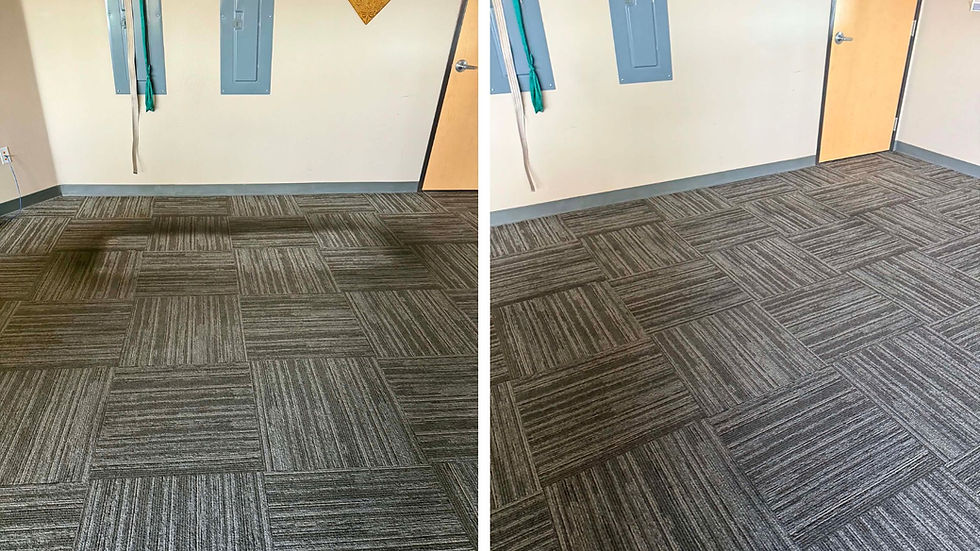
On a recent tile and grout cleaning project, our team at Green Machine Carpet Clean tackled a floor with visible dirt and discoloration throughout the grout lines. The before-and-after photos show a dramatic improvement after professional steam cleaning, with cleaner tile surfaces and grout lines that look significantly brighter.
This project is a great example of why professional tile and grout cleaning can produce results that ordinary mopping and household cleaning products often cannot achieve.
Can Professional Steam Cleaning Restore Dirty Tile and Grout?
Yes, professional steam cleaning can often restore the appearance of dirty tile and grout by removing embedded soil, grease, and cleaning residue that regular mopping leaves behind. Professional tile and grout cleaning typically uses specialized cleaning solutions, agitation, heated water, and powerful extraction equipment to loosen and remove contamination from tile surfaces and porous grout lines.
The results depend on the type of tile, condition of the grout, and whether the discoloration comes from removable dirt or permanent staining.
For this recent Green Machine Carpet Clean project, the difference was immediately noticeable in the before-and-after photos.
The grout lines that appeared dark and dirty before cleaning looked substantially cleaner afterward, while the surrounding tile regained a more uniform appearance.
However, professional cleaning doesn't necessarily change the grout's original color or repair damaged grout. Instead, it removes accumulated contamination so the existing tile and grout can look their best.
Why Do Tile and Grout Become So Dirty Over Time?
Even when tile floors are regularly swept and mopped, dirt can gradually accumulate in places that ordinary cleaning methods struggle to reach.
One of the biggest reasons is the difference between tile and grout.
Most glazed ceramic and porcelain tile surfaces are relatively resistant to moisture and staining. Cement-based grout, however, is more porous and can absorb moisture, oils, and other contaminants.
As people walk across the floor, fine dirt and debris are pushed into the grout lines.
In kitchens, cooking oils, food spills, and greasy residue can contribute to stubborn buildup. Bathrooms may develop soap residue, mineral deposits, and other contamination associated with frequent moisture exposure.
Entryways and high-traffic areas often collect tracked-in soil that gradually darkens the grout.
Cleaning products can also contribute to the problem.
Using too much floor cleaner or failing to rinse thoroughly can leave residue behind. That residue may attract additional dirt, causing the floor to look dirty again shortly after mopping.
Over time, these layers of contamination become increasingly difficult to remove with ordinary household cleaning.
The result is often a tile floor that looks reasonably clean on the surface but has dark, discolored grout lines throughout.
How Does Professional Tile and Grout Steam Cleaning Work?
Professional tile and grout steam cleaning is designed to remove contamination that has settled into grout pores, surface texture, and other difficult-to-clean areas.
Although commonly called steam cleaning, many professional systems use heated water and pressure-assisted extraction rather than relying on dry steam alone.
The process generally begins with evaluating the flooring material.
Different surfaces require different cleaning solutions and techniques. Ceramic and porcelain tile can often tolerate methods that would be unsuitable for certain natural stone floors.
Once the floor has been evaluated, an appropriate cleaning solution is applied to help loosen accumulated dirt, oils, and residue.
The solution needs sufficient contact time to break down contamination.
Agitation may then be used to work the cleaning solution into grout lines and textured tile surfaces.
This is particularly helpful in areas where dirt has become tightly embedded.
Next, professional cleaning equipment uses heated water and controlled pressure to rinse the floor.
A specialized extraction tool simultaneously recovers the dirty water, loosened soil, and cleaning residue.
Removing that contaminated water is an important part of the process.
Rather than simply spreading dirty water across the floor, extraction equipment collects it and removes it from the surface.
The combination of appropriate cleaning chemistry, agitation, rinsing, and extraction can produce a much deeper clean than routine mopping.
Our recent before-and-after project demonstrates how noticeable that improvement can be.
Why Doesn't Mopping Remove Embedded Dirt From Grout?
Mopping is useful for maintaining tile floors, but it has limitations when grout lines are heavily soiled.
A mop primarily cleans the exposed surface of the floor.
Grout lines are often slightly recessed below the surrounding tile, making it difficult for mop fibers to reach deeply into their texture.
Because cement-based grout is porous, dirt and oils can also settle below the immediate surface.
Mopping may remove loose debris without extracting the contamination embedded in those pores.
Another problem is dirty mop water.
As a mop collects soil, that contamination mixes with the cleaning solution in the bucket. Unless the water is changed frequently and the floor is rinsed properly, some of that soil can be redistributed across the surface.
Dirty water may settle into grout lines as the floor dries.
Certain cleaning products can make the problem worse.
Soap-based cleaners and products that leave a film may attract additional dirt, particularly in high-traffic areas.
Aggressive scrubbing isn't always the answer either.
Using stiff brushes or harsh chemicals can damage grout or affect certain flooring materials.
Professional cleaning addresses these limitations by combining suitable cleaning solutions with equipment designed to rinse and recover loosened contamination.
That's why a floor can look dramatically different after professional cleaning, even when the homeowner has been mopping regularly.
Can Professional Cleaning Restore the Original Grout Color?
Professional tile and grout cleaning can often reveal a grout color that's much closer to its original appearance.
However, the outcome depends on what caused the discoloration.
When grout looks dark because of embedded dirt, grease, or cleaning residue, professional cleaning may remove enough contamination to produce a substantial improvement.
This is often what creates the dramatic contrast seen in before-and-after cleaning photos.
Grout that appeared dark gray or brown from accumulated soil may look significantly lighter once the contamination has been removed.
But not every color difference is caused by dirt.
Some grout develops permanent staining from dyes, chemicals, or other substances that penetrate deeply into the material.
Uneven grout color can also result from installation conditions, mineral deposits, previous cleaning products, or deterioration of the grout itself.
Professional cleaning cannot reverse every form of permanent discoloration.
It's also important to remember that grout is available in many colors.
Dark grout isn't necessarily dirty, and light grout isn't automatically clean.
The goal is to remove contamination and restore a more consistent appearance without damaging the existing grout.
For homeowners dealing with permanently discolored grout, professional grout color sealing may be an alternative worth considering, depending on the condition of the floor.
Should Grout Be Sealed After Professional Cleaning?
Grout sealing can be a useful additional step after professional cleaning, particularly for cement-based grout.
Because traditional cementitious grout is porous, it can absorb moisture, oils, and other contaminants.
A suitable penetrating grout sealer helps reduce how readily those substances enter the grout.
This can make routine maintenance easier and provide additional time to address spills before they become difficult stains.
However, grout sealing isn't appropriate or necessary for every flooring installation.
Some grout products, including certain epoxy and specialty grouts, have different sealing requirements.
The tile material also matters.
Natural stone may require a compatible sealer for the stone itself, while many glazed ceramic and porcelain tiles don't need surface sealing.
It's important to use a product designed for the specific material.
Sealing should generally be considered after the grout has been thoroughly cleaned and allowed to dry according to the sealer manufacturer's instructions.
Applying sealer over embedded dirt or moisture can interfere with the finished result.
Sealer also isn't a substitute for regular cleaning.
It helps resist staining, but it doesn't make grout completely waterproof or prevent dirt from collecting on the surface.
For homeowners who want to maintain the results of professional tile and grout cleaning, asking about the suitability of grout sealing is worthwhile.
How Can You Keep Tile and Grout Cleaner Between Professional Services?
Once tile and grout have been professionally cleaned, consistent maintenance can help preserve the improved appearance.
The first step is removing loose dirt regularly.
Sweeping or vacuuming prevents sand, dust, and other abrasive particles from accumulating and being pushed into grout lines.
For routine mopping, use a cleaning product appropriate for the tile and grout.
A properly diluted, residue-free cleaner is generally preferable to products that leave soap or wax buildup.
Avoid using excessive amounts of cleaning solution.
More product doesn't necessarily mean better cleaning, and leftover residue can attract additional dirt.
Changing mop water frequently is also important.
Cleaning an entire floor with heavily soiled water can redistribute contamination rather than remove it.
Where appropriate, rinsing the floor with clean water can help remove remaining cleaning residue.
Spills should be addressed promptly, particularly in kitchens and dining areas where oils and colored liquids may penetrate unsealed grout.
Homeowners should also be cautious with acidic cleaning products.
Vinegar and certain acidic cleaners can damage cement-based grout and etch acid-sensitive natural stone surfaces.
Using the wrong product can create permanent damage that professional cleaning cannot reverse.
Finally, scheduling professional cleaning before grout becomes heavily contaminated can make long-term maintenance easier.
The ideal frequency depends on foot traffic, flooring material, household activity, and the condition of the grout.
Give Your Dirty Tile and Grout a Fresh Start
The before-and-after photos from this Green Machine Carpet Clean project show just how much professional steam cleaning can improve the appearance of dirty tile and grout.
What started as a floor with darkened grout lines and visible buildup was transformed into a much cleaner-looking surface.
The improvement came from removing accumulated contamination rather than replacing the flooring.
For homeowners who have spent hours scrubbing grout with little success, professional cleaning can be a practical alternative to continued DIY treatments or unnecessary replacement.
At Green Machine Carpet Clean, we help homeowners get more out of their existing floors with professional tile and grout cleaning designed to tackle stubborn dirt and buildup.
If your tile floors look dull, your grout lines have become noticeably darker, or mopping no longer produces the results you want, contact Green Machine Carpet Clean to request a professional tile and grout cleaning quote.


Comments