
These Dirty Grout Lines Look Almost New After Professional Tile Cleaning


Dirty grout can make an entire tile floor look older, darker, and more worn than it actually is. Even when the tile itself is in good condition, years of accumulated dirt and residue can leave grout lines looking permanently discolored.
The frustrating part for homeowners is that regular mopping often doesn't make much of a difference. You can clean your floors every week and still end up with dark grout lines that never seem to get any cleaner.
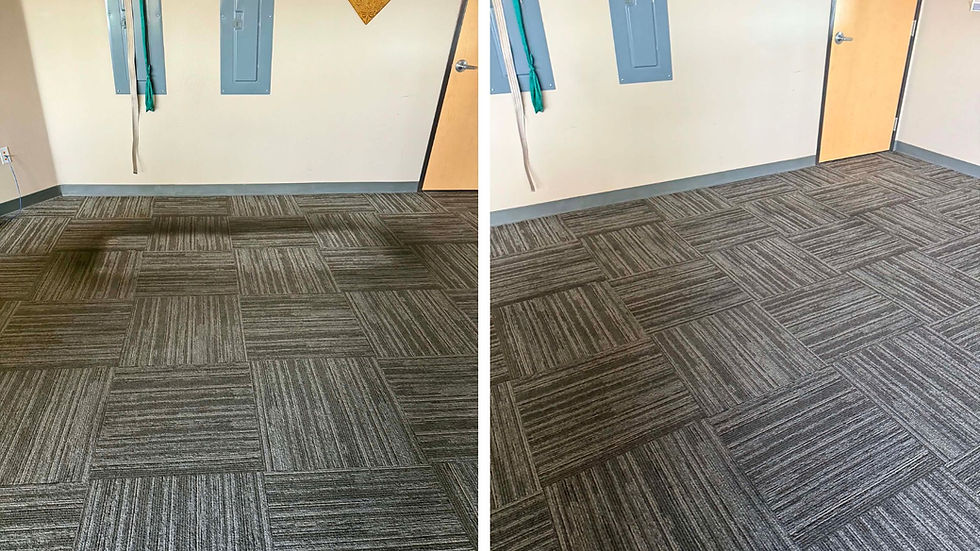
At Green Machine Carpet Clean, we recently completed a professional tile and grout cleaning project that shows just how dramatic the difference can be. The side-by-side before-and-after photos reveal a heavily soiled tile floor with dark grout lines that became noticeably cleaner and brighter after professional treatment.
The transformation is especially impressive in the grout. What initially appeared to be deeply discolored grout now looks remarkably clean, creating a much more uniform appearance across the entire floor.
This project is a great example of why dirty tile and grout don't always need to be replaced. When discoloration comes primarily from accumulated soil rather than permanent damage, professional deep cleaning can make existing flooring look significantly better.
Can Professional Tile and Grout Cleaning Make Dirty Grout Look New Again?
Yes, professional tile and grout cleaning can make heavily soiled grout look almost new again when the dark discoloration is caused by removable dirt, oils, and cleaning residue. Specialized cleaning solutions, controlled agitation, and thorough rinsing help remove embedded contamination that ordinary mopping often leaves behind.
The results depend on the type of grout, its condition, the nature of the contamination, and whether previous cleaning products or sealers have affected the surface. Some grout responds extremely well to professional cleaning, while other grout has permanent staining or deterioration that cannot be corrected through cleaning alone.
Our recent project at Green Machine Carpet Clean demonstrates the potential for a dramatic improvement. The before photo shows dark, heavily soiled grout lines between the tiles, while the after photo reveals a much cleaner and more consistent appearance.
The grout lines are especially important because they frame every tile. When those lines become dark and uneven, they can make the entire floor appear dirty even when the tile surfaces are relatively clean.
Removing accumulated contamination from the grout can dramatically change the overall appearance of the flooring. In some cases, homeowners are surprised to discover that their grout was much lighter than they remembered.
However, cleaning doesn't change the original color of grout or repair missing material. If grout has been permanently stained, chemically damaged, or physically deteriorated, additional services such as grout color sealing, repair, or replacement may be necessary.
Understanding these limitations helps homeowners determine whether professional cleaning is the right solution for their floors.
Why Do Tile Floors and Grout Lines Become So Dirty?
Tile is often chosen because it's durable and relatively easy to maintain. However, the grout between the tiles can be more difficult to keep clean, especially in kitchens, bathrooms, entryways, and other heavily used areas.
Several factors contribute to grout discoloration, and the buildup often develops gradually.
Cement-Based Grout Is Naturally Porous
Many traditional grout products contain cement and have a porous structure that can absorb moisture and certain contaminants. This makes them more susceptible to staining and embedded soil than many glazed ceramic or porcelain tile surfaces.
The degree of absorption varies depending on the grout formulation, installation, and whether a suitable sealer has been applied.
Epoxy grout and some other specialty grouts have different characteristics and may be more resistant to staining, although they still require proper cleaning.
Foot Traffic Pushes Dirt Into Grout Lines
Shoes track dust, sand, oils, and outdoor debris onto tile floors. As people walk across the surface, these particles can collect in the slightly recessed grout joints.
Over time, repeated traffic can make grout lines noticeably darker, particularly in hallways, kitchens, and entryways.
Cooking Grease and Household Oils Attract Soil
Kitchen floors can accumulate small amounts of cooking grease, food residue, and other oily substances. These materials can create a film that attracts additional dirt and makes grout more difficult to clean.
Ordinary water-based mopping may not remove this buildup effectively without appropriate cleaning chemistry.
Dirty Mop Water Can Deposit Soil Into Grout
Mopping loosens dirt from the tile surface, but the results depend on how frequently the cleaning solution is changed and how effectively the dirty water is removed.
When contaminated mop water settles into recessed grout joints, some of the suspended soil may remain after the floor dries.
Cleaning Product Residue Can Build Up
Using too much detergent or products that aren't properly rinsed can leave residue on tile and grout. This film may attract new dirt and contribute to a dull or sticky appearance.
Over time, the buildup can make routine cleaning less effective.
Moisture and Bathroom Residue Create Additional Problems
Bathroom floors may accumulate soap residue, body oils, mineral deposits, and moisture-related contamination. These substances can affect grout appearance and may require different cleaning methods than ordinary tracked-in dirt.
Persistent moisture problems should also be evaluated because cleaning alone won't correct an underlying leak or ventilation issue.
How Does Professional Tile and Grout Cleaning Remove Embedded Dirt?
Professional tile and grout cleaning goes beyond wiping down the surface. The process is designed to loosen and remove contamination from both the tile and the grout joints while using methods appropriate for the flooring material.
The exact procedure depends on the tile type, grout composition, existing sealers, and condition of the installation.
Inspecting the Tile and Grout
Before cleaning, the technician should identify the flooring material and examine the grout joints for damage, discoloration, or existing coatings. This helps determine which cleaning products and techniques are suitable.
Ceramic and porcelain tile generally tolerate different cleaning methods than certain natural stones, such as marble, limestone, or travertine.
Removing Loose Surface Debris
Sweeping or vacuuming removes loose dirt, sand, and grit before wet cleaning begins. This preparation helps prevent abrasive particles from being dragged across the floor.
Removing dry soil also allows cleaning solutions to work more effectively on contamination that remains attached to the surface.
Applying Appropriate Cleaning Solutions
Professional cleaning solutions are selected according to the tile material and the type of soil present. Some products are formulated to break down greasy buildup, while others target different forms of contamination.
The correct chemistry matters because aggressive or unsuitable products can damage certain tiles, grout, or existing sealers.
Allowing Proper Dwell Time
Cleaning solutions often need time to loosen stubborn soil before agitation or rinsing. Appropriate dwell time helps the product work without relying entirely on aggressive scrubbing.
The technician must follow product instructions and prevent solutions from drying on the surface when doing so could cause residue or damage.
Agitating Dirty Grout Lines
Grout joints may require controlled brushing or other suitable agitation to loosen embedded contamination. The goal is to remove soil without eroding or damaging the grout.
The amount of agitation depends on the grout's condition and the flooring material.
Rinsing and Extracting Contamination
Professional cleaning equipment can rinse the floor and recover dirty water containing loosened soil and cleaning residues. Depending on the installation, this may involve specialized tile and grout cleaning tools.
Thorough extraction is important because leaving contaminated water behind can allow soil to settle back into the grout joints.
Evaluating the Finished Results
After cleaning, the technician can inspect the floor for remaining discoloration, damaged grout, or areas that may require additional attention.
Some stubborn stains may need specialized treatment, while permanent discoloration may require a different service.
The before-and-after photos from our Green Machine Carpet Clean project show how much improvement is possible when substantial buildup is removed from dirty tile and grout.
Why Doesn't Regular Mopping Get Grout Lines Clean?
Mopping is useful for routine floor maintenance, but it isn't always effective at removing embedded contamination from grout joints. This is especially true when grout is porous, recessed below the tile surface, or coated with years of accumulated residue.
Understanding the limitations of ordinary mopping helps explain why a floor can appear dirty despite frequent cleaning.
Mops Primarily Contact the Tile Surface
Many tile floors have grout joints that sit slightly below the surrounding tile. A mop may glide across the tile without applying enough contact or agitation to loosen stubborn soil inside those joints.
This can leave grout looking dark even after the tile surface has been cleaned.
Mopping Can Redistribute Dirty Water
When a mop becomes saturated with contaminated water, some of that moisture can be spread across the floor. Dirt suspended in the water may settle into grout lines as the floor dries.
Using clean solution, changing water frequently, and removing excess moisture can help reduce this problem.
Household Cleaners May Leave Residue
Certain floor cleaners contain ingredients that can leave a film when used excessively or without adequate rinsing. Residue may attract dirt and make the surface appear dull.
A product that smells clean or produces a lot of foam isn't necessarily removing contamination effectively.
Embedded Soil Requires More Than Surface Wiping
Dirt trapped in grout pores or textured tile surfaces may require appropriate cleaning chemistry and controlled agitation. Ordinary mopping often lacks the mechanical action needed to loosen that buildup.
Professional cleaning combines multiple steps to address contamination beyond the immediate surface.
Stronger Chemicals Aren't Always the Answer
Homeowners sometimes turn to bleach, acidic cleaners, or abrasive products when ordinary mopping fails. However, stronger chemicals can damage certain grout formulations, stone surfaces, or existing sealers.
Using an unsuitable product may create permanent discoloration or surface deterioration without solving the original problem.
Professional Rinsing Removes Loosened Soil
One advantage of professional cleaning is the ability to recover contaminated rinse water rather than simply moving it around the floor.
When appropriate equipment and techniques are used, this can produce a much more noticeable improvement in heavily soiled grout.
Can Professional Cleaning Remove Stubborn Grout Stains and Discoloration?
Professional tile and grout cleaning can remove many types of staining and discoloration, but the outcome depends on what caused the problem. Some dark grout lines are covered with removable soil, while others have absorbed stains or experienced permanent changes.
A proper assessment helps distinguish these conditions before treatment.
Ground-In Dirt and Traffic Lane Buildup
Dirt deposited through everyday foot traffic is one of the most common reasons grout becomes dark. When the discoloration is caused by accumulated soil, professional cleaning can often produce substantial improvement.
The transformation in our recent Green Machine Carpet Clean project illustrates how dramatically grout appearance can change after embedded dirt is removed.
Grease and Food Residue
Kitchen grout may collect oils, food residue, and other substances that attract dirt. Appropriate cleaning solutions can help break down this buildup so it can be rinsed and extracted.
The success of treatment depends on how deeply the contamination has penetrated and the grout's condition.
Soap Residue and Bathroom Buildup
Bathroom tile and grout can develop soap residue, body oil deposits, and mineral buildup.
These materials may require different cleaning chemistry than ordinary dirt.
The cleaning method must be compatible with the tile and grout, particularly when natural stone is present.
Mold and Mildew Discoloration
Damp environments can support microbial growth on contaminated surfaces. Some visible discoloration may be removable, but persistent moisture problems must be addressed to prevent recurrence.
Professional tile cleaning should not be confused with remediation of extensive mold contamination or hidden moisture damage.
Permanent Grout Staining
Some substances penetrate grout deeply enough to leave persistent discoloration. Previous chemical treatments may also alter the grout's original color.
Cleaning may improve the appearance without restoring the exact original shade.
Damaged or Missing Grout
Cracked, crumbling, or missing grout cannot be repaired through cleaning. These conditions may require re-grouting or other repairs to maintain the installation.
Cleaning should be performed carefully when grout joints are already deteriorating.
Grout Color Sealing as an Alternative
When grout remains permanently discolored after cleaning, a compatible grout color sealer may be an option for certain installations. This treatment can create a more consistent appearance while providing additional surface protection.
Color sealing is a separate service from ordinary grout cleaning and should not be assumed to have been performed simply because the grout looks lighter afterward.
Should Grout Be Sealed After Professional Tile Cleaning?
Sealing can be beneficial for many cement-based grout installations because it helps reduce the absorption of certain liquids and staining substances. However, not every type of grout requires sealing, and the appropriate product depends on the material and installation.
Professional cleaning and sealing are separate services, so homeowners should understand whether sealing is included in their project.
Why Cement-Based Grout May Benefit From Sealing
Traditional cement-based grout can absorb moisture and contaminants through its porous structure. A suitable penetrating sealer can help reduce absorption and make some spills easier to clean before staining occurs.
Sealing does not make grout completely waterproof or eliminate the need for routine maintenance.
Not Every Grout Type Needs Sealing
Epoxy grout and certain specialty grout formulations are designed to provide greater resistance to staining and absorption. These materials may not require the same sealing treatment as traditional cement-based grout.
The manufacturer's recommendations should guide maintenance decisions.
Sealing Doesn't Prevent Every Stain
A sealer can improve resistance to certain contaminants, but it cannot guarantee that grout will remain stain-free. Oils, dyes, harsh chemicals, and prolonged exposure to spills may still cause discoloration.
Prompt cleanup remains important even when grout has been properly sealed.
The Floor Must Be Properly Prepared
Many grout sealers require a clean, sufficiently dry surface before application. Applying sealer over dirt or trapped moisture can interfere with performance and may create an uneven appearance.
Drying and preparation requirements vary by product.
Excess Sealer Must Be Removed Correctly
Penetrating sealers should be applied according to the manufacturer's instructions, including the recommended contact time and removal of excess product.
Allowing excess sealer to dry on tile surfaces can create unwanted haze or residue.
Resealing Depends on Performance
There is no universal schedule for resealing grout. Product type, foot traffic, cleaning practices, and exposure to moisture all influence how long a treatment remains effective.
Evaluating the existing sealer is generally more useful than automatically applying another coat every year.
Routine Cleaning Is Still Necessary
Sealed grout can still collect surface dirt, grease, and cleaning residue. Regular maintenance with suitable products helps preserve its appearance and reduce the need for aggressive cleaning.
Sealing works best as part of an overall floor maintenance plan rather than as a substitute for cleaning.
When Should You Professionally Clean Tile and Grout Instead of Replacing It?
Dirty grout can make an otherwise functional tile floor look like it needs to be replaced. However, when the tile is intact and the grout is structurally sound, professional cleaning may be a much more practical option.
The decision should be based on the condition of the installation and the cause of the discoloration.
When the Main Problem Is Embedded Dirt
Tile floors with dark grout lines, greasy buildup, or accumulated soil are often good candidates for professional deep cleaning. Removing this contamination can produce a dramatic visual improvement without changing the flooring materials.
Our recent Green Machine Carpet Clean project demonstrates how much better an existing tile floor can look after professional treatment.
When the Tile Is Still in Good Condition
Ceramic and porcelain tile can remain functional for many years when properly installed and maintained. If the tiles are intact, securely bonded, and free from significant damage, replacement may not be necessary.
Professional cleaning can help improve the appearance of an otherwise serviceable floor.
When Grout Is Discolored but Intact
Grout that is dirty but structurally sound may respond well to professional cleaning. Even when some permanent discoloration remains, additional options may be available without replacing the entire floor.
The appropriate approach depends on the grout's condition and the desired appearance.
When Replacement Would Be Expensive
Replacing tile flooring can involve demolition, disposal, surface preparation, new materials, and installation labor. Professional cleaning is generally much less disruptive and may cost substantially less when the existing floor can be maintained.
The potential savings depend on the size and condition of the installation.
When Cracked or Loose Tiles Are Present
Tiles that are cracked, loose, or hollow-sounding may indicate installation problems that cleaning cannot correct. These conditions should be evaluated before aggressive cleaning methods are used.
Some isolated damage may be repairable without replacing the entire floor.
When Grout Is Crumbling or Missing
Deteriorating grout can allow moisture and debris to enter joints and may indicate movement or other underlying problems. Cleaning cannot rebuild missing material or correct structural issues.
Re-grouting or additional repairs may be necessary before the floor can be properly maintained.
When Moisture Problems Are Involved
Persistent dampness, recurring discoloration, or signs of water intrusion may indicate problems beneath the tile. Cleaning the visible surface won't resolve leaks or moisture-related installation failures.
Addressing the underlying cause is important before investing in cosmetic improvements.
When Professional Cleaning Can Extend the Floor's Useful Life
If the tile and grout remain in good condition, removing accumulated contamination can improve appearance and support continued use. Routine maintenance can then help preserve the results.
A professional evaluation can help determine whether cleaning is likely to provide the improvement you're looking for.
Bring Back the Clean Look of Your Tile and Grout
Dark grout lines can make an entire tile floor appear dirty, even when the tiles themselves are still in excellent condition. Over time, accumulated soil, grease, and cleaning residue can become difficult to remove with ordinary household products.
Our recent project at Green Machine Carpet Clean shows how much difference professional tile and grout cleaning can make. The before-and-after photos reveal a dramatic improvement, with heavily soiled grout lines becoming noticeably cleaner and the entire floor taking on a brighter, more consistent appearance.
Professional cleaning can remove embedded contamination that routine mopping leaves behind, helping homeowners get more enjoyment from their existing flooring. When the tile and grout remain structurally sound, deep cleaning may provide the improvement needed without the expense and disruption of replacement.
At Green Machine Carpet Clean, we help homeowners improve the appearance of their floors through professional cleaning services. Whether your grout has become dark from everyday foot traffic or your tile floors simply aren't responding to regular mopping, we're here to help you explore your cleaning options.
Ready to see what professional tile and grout cleaning can do for your floors? Contact Green Machine Carpet Clean today to request a quote and find out how much better your existing tile and grout could look.


Comments